Violet's Modelling Opportunity: What It Means for Aspiring Models
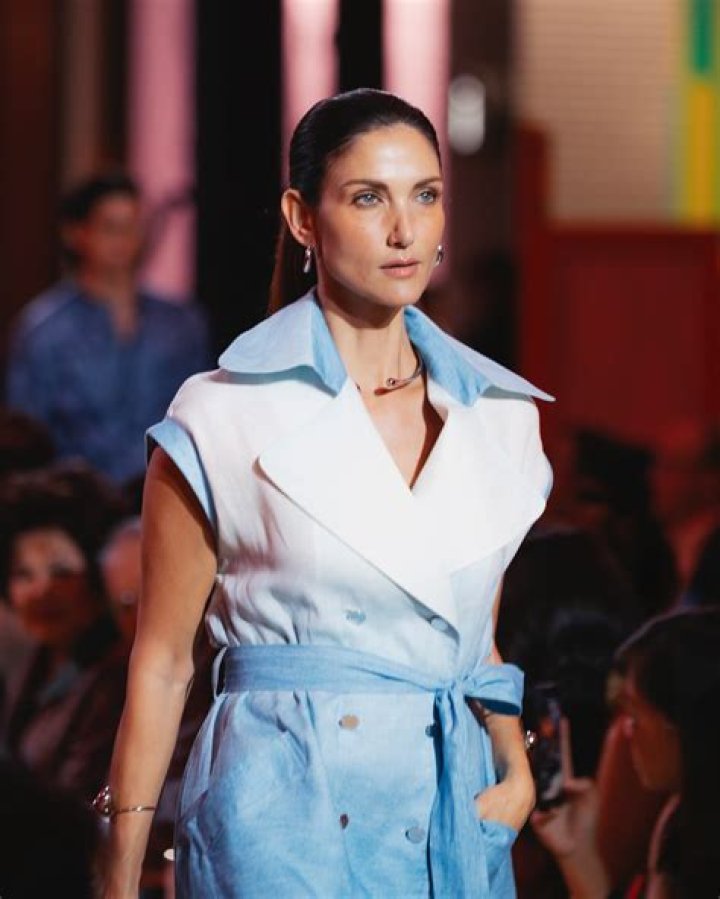
The modelling industry has always had a way of capturing imaginations. Bright lights, editorial spreads, runway shows — it all looks effortless from the outside. But behind every successful model is a story of persistence, timing, and often, one defining opportunity that changed everything. For many young hopefuls, Violet's modelling opportunity has become exactly that kind of turning point.
Whether you've heard this phrase in the context of a fictional storyline, a real-world talent agency, or an online modelling platform, the concept carries weight. It speaks to something universal — the moment when raw potential meets a real platform. Understanding what this opportunity actually involves, and what it demands from those who pursue it, is worth exploring carefully.
What Is Violet's Modelling Opportunity?
At its core, Violet's modelling opportunity refers to a pathway — structured or informal — through which a person named Violet, or a character by that name, encounters a chance to break into the modelling world. The phrase appears across multiple contexts: in popular fiction, interactive storytelling apps, drama-based narratives, and occasionally as a reference to real talent discovery programs.
In fiction and media, Violet is often portrayed as a relatable, ambitious young woman who stumbles into — or actively pursues — a chance to model professionally. The tension in her story comes from the very real pressures that mirror what actual aspiring models face. Scouts, auditions, agency contracts, body image expectations, and the psychological weight of public scrutiny all play a role.
Outside of fictional contexts, the phrase has also been adopted by content creators and educators discussing how modelling opportunities work in practice. Either way, the underlying questions are the same: What does a real modelling opportunity look like? How do you know it's legitimate? And what does someone like Violet — or anyone — need to succeed?
The Reality Behind Modelling Opportunities
Let's be honest about something the industry rarely advertises openly. Most modelling opportunities, especially those targeting newcomers, are not straightforward. They come packaged with conditions, expectations, and sometimes, risks that aren't immediately visible.
A genuine modelling opportunity — the kind worth pursuing — typically involves a reputable agency or brand with a verifiable track record. They won't ask you to pay upfront fees before securing work. They will have clear contracts, transparent payment structures, and a professional process for onboarding new talent.
Violet's situation — whether in a story or as a real-world stand-in for any aspiring model — often reflects the confusion many young people feel when faced with this landscape. An offer arrives. It sounds exciting. But is it real? That hesitation is not weakness. It's wisdom.
Key Signs a Modelling Opportunity Is Worth Pursuing
Not every door that opens leads somewhere good. Here are the markers of an opportunity that deserves serious consideration:
Transparency from the start. Legitimate agencies communicate clearly about what they're looking for, what the job entails, how models are compensated, and what the timeline looks like. Vagueness is rarely accidental in this industry.
No upfront financial demands. Any agency that asks a prospective model to pay for portfolio shoots, training courses, or "registration fees" before any work has been confirmed should be treated with extreme caution. Reputable agencies earn commission from your bookings — not from your wallet before you've worked a single day.
A real portfolio process. Professional agencies invest in their models. They may arrange test shoots with established photographers, guide you on comp card development, and actively pitch you to clients. If the process feels one-sided — all taking, no giving — that's a signal.
Industry connections that check out. If an agency claims to work with major fashion houses, advertising companies, or media brands, those relationships should be verifiable. A quick search, a phone call to the brand in question, or a conversation with another model on their roster can confirm a great deal.
Violet's Journey as a Mirror for Real Aspirations
What makes Violet's modelling opportunity resonate so widely — particularly in narrative contexts — is how accurately it reflects the internal conflict many aspiring models experience. There's excitement, yes. But there's also fear of rejection, anxiety about fitting a certain look, and the very human worry about whether this dream is even realistic.
Modelling is one of those industries where the gap between dream and reality can feel enormous. Social media has made that gap both smaller and more confusing. On one hand, platforms like Instagram have genuinely launched careers for people who didn't fit traditional mould sizes or aesthetic standards. On the other hand, the visibility of highly curated, professionally lit images has raised the bar for what "model-level" looks like in the public imagination.
Violet's story — whatever version you've encountered — tends to sit right in the middle of this tension. She is talented enough to be noticed. But notice alone doesn't pay rent. And that's the part of the modelling industry nobody posts about on their highlight reel.
Types of Modelling Opportunities Available Today
The modelling world is not monolithic. There are many different categories, each with different requirements, earning potential, and lifestyle implications. Understanding these distinctions helps anyone — Violet included — make a more informed decision when an opportunity arrives.
Commercial modelling is arguably the most accessible. It covers advertising campaigns for consumer products, catalogues, lifestyle brands, and everyday imagery. Agencies in this space are less concerned with height and runway measurements and more interested in personality, versatility, and audience relatability.
Editorial modelling is the world of fashion magazines, high-end lookbooks, and designer campaigns. This segment is more selective. Height requirements, specific facial structures, and the ability to embody a designer's vision are all factors. It's competitive and often less financially stable than commercial work for newcomers.
Fitness and health modelling has grown significantly alongside the wellness industry. Models in this space typically work with sportswear brands, health publications, and gym-related campaigns. Physical fitness is the obvious requirement, but personality and the ability to connect with health-conscious audiences matter too.
Plus-size and curve modelling has gained serious traction over the past decade, with major fashion brands and mainstream publications actively diversifying their campaigns. This space has opened genuine career paths that simply did not exist at scale a generation ago.
Digital and influencer modelling is perhaps the newest category but one of the fastest-growing. Brands increasingly work with individuals who have their own audiences, treating them as models, ambassadors, and content creators simultaneously. This path requires building a personal platform — which takes time, but can lead to remarkable opportunities for the right person.
How to Prepare If a Real Opportunity Like Violet's Comes Your Way
Preparation isn't just about having good photographs. It's about knowing yourself, knowing the industry, and walking into any conversation with an agency or client with both confidence and caution.
Start with research. Know the agency's history. Know the photographers they work with. Know the brands they service. This isn't paranoia — it's professionalism. Any serious agency will respect a candidate who has done their homework.
Build a basic portfolio, but don't go into debt doing it. Natural light photography, simple backdrops, and clean presentation are far more useful in early stages than elaborate, expensive productions. Many successful models started with nothing more than a smartphone camera and a friend with a good eye for composition.
Understand what you're signing before you sign it. Contracts in the modelling industry can include exclusivity clauses, territorial restrictions, image rights provisions, and earn-back schedules. If you don't understand every line, get a second opinion from someone who does. Many cities have legal clinics specifically designed to help creatives navigate industry contracts.
Finally, protect your mental health. This industry sends a lot of feedback — some constructive, much of it not. Rejection is constant, even for working models. Building a support system outside the industry, maintaining interests and relationships that have nothing to do with modelling, and having a clear sense of self beyond your appearance are not optional extras. They are survival tools.
The Ethical Dimension of Modelling Opportunities
No honest discussion of modelling opportunities can sidestep the ethical questions that have shadowed this industry for decades. Young aspiring models are often vulnerable — eager to please, willing to compromise, and sometimes unaware of their rights. Predatory practices, exploitative contracts, and inappropriate conduct from people in positions of power have been extensively documented.
Violet's modelling opportunity, when told responsibly in fiction or discussed seriously in real-world contexts, often touches on exactly this. The moment where the excitement of opportunity collides with the need for safety and self-advocacy is the most important moment in any aspiring model's career.
Organizations like the Model Alliance and similar advocacy groups in various countries have worked to establish clearer standards around model welfare, age restrictions for certain types of work, and contractual transparency. Anyone stepping into this industry — at any level — benefits from knowing these resources exist.
What Success Actually Looks Like
The modelling industry's definition of success is far wider than the runway suggests. For some, it means booking one commercial that funds a year of other creative pursuits. For others, it's a long career spanning decades in catalogue and lifestyle work. For a few, it becomes a genuine household name. All of these outcomes are valid. None of them are guaranteed.
Violet's modelling opportunity — whatever form it takes in the version you know — is ultimately a story about agency. Not the talent agency kind, though that too. The deeper kind. The choice to pursue something difficult, to walk into rooms where you might be told no, and to keep going anyway with your integrity intact.
That story plays out differently for everyone who lives it. But the starting point — the moment when an opportunity appears and someone decides what to do with it — is where everything begins. How Violet handles that moment, and how anyone else in her position would handle it, is what makes the question worth asking in the first place.
Whether you're researching this topic because of a storyline you love, a real career path you're considering, or a young person in your life who's weighing their options, the most useful thing anyone can walk away with is this: real opportunities don't rush you, don't charge you, and don't ask you to compromise your safety for a chance at visibility. They wait for you to be ready, and they respect you when you arrive.